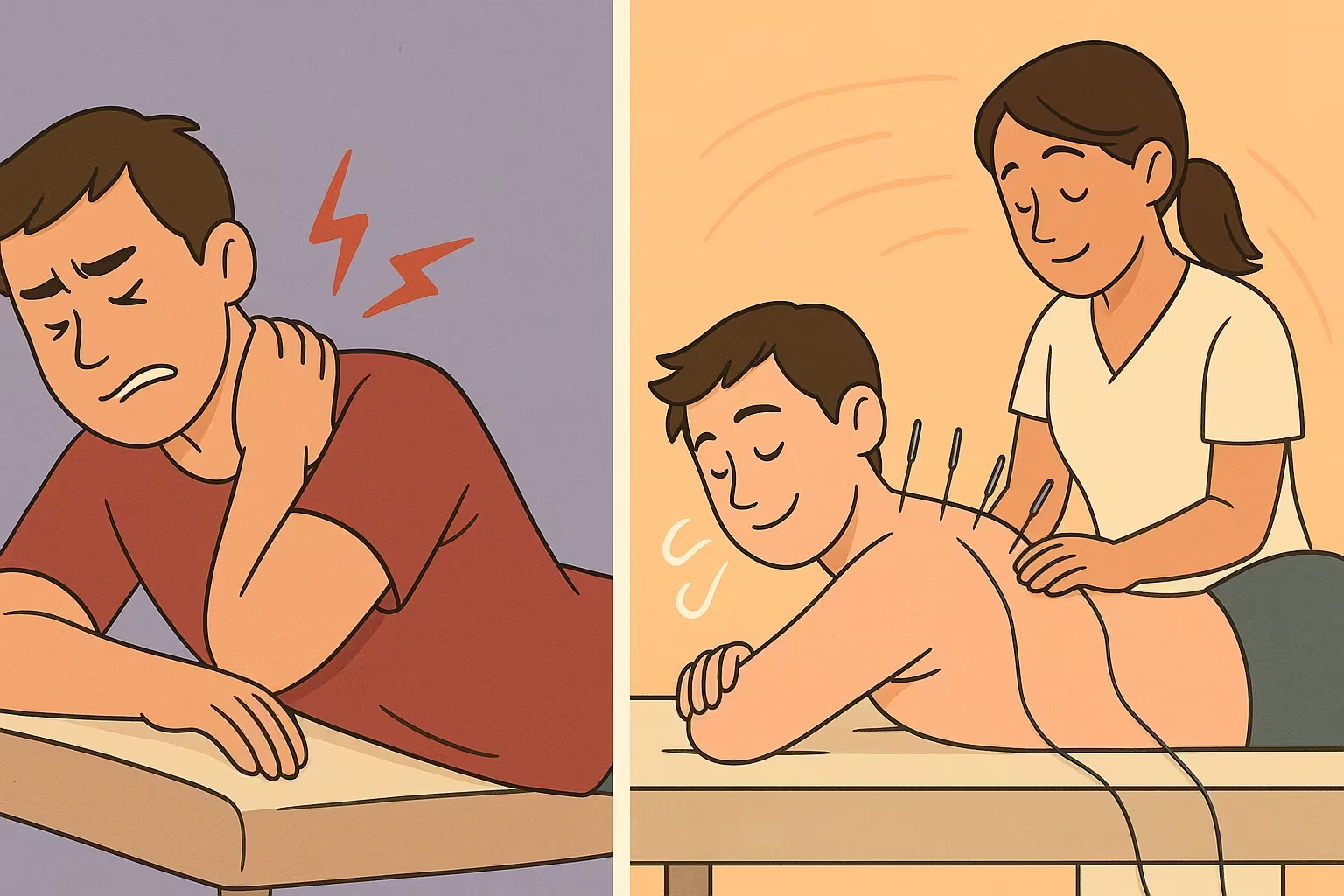
If you’re reading this, there’s a good chance you’re dealing with sharp, radiating pain, numbness, or tingling in your neck, back, arms, or legs, classic signs of a pinched nerve. While physical therapy, medications, and rest are common treatment options, more and more people are asking: Is acupuncture good for a pinched nerve?
Short answer? Yes, acupuncture can be a safe, effective, and drug-free option for reducing inflammation, relieving pain, and supporting nerve function. In this blog, we’ll break down what causes pinched nerves, how acupuncture works, and what the research and real-world experience say about its benefits.
What Is a Pinched Nerve?
A pinched nerve (also known as nerve compression or entrapment) occurs when surrounding tissues such as bones, discs, muscles, or tendons put too much pressure on a nerve. This disrupts normal nerve signaling and can lead to:
- Sharp or burning pain
- Tingling or “pins and needles” sensations
- Muscle weakness
- Numbness along a nerve path
Common conditions involving pinched nerves include:
- Cervical radiculopathy (pinched nerve in the neck)
- Sciatica (compression of the sciatic nerve in the lower back)
- Carpal tunnel syndrome (compression of the median nerve in the wrist)
What Causes a Pinched Nerve?
Some of the most common causes include:
- Herniated discs
- Bone spurs (osteophytes)
- Repetitive stress or overuse injuries
- Poor posture
- Inflammation from injuries
- Pregnancy or weight gain
- Muscle tightness or spasms
Traditional medical treatments often involve anti-inflammatory drugs, corticosteroid injections, physical therapy, or, if severe, surgery. But acupuncture offers a non-invasive, side-effect-free option for many people seeking natural relief.
How Acupuncture Can Help a Pinched Nerve
Acupuncture is an ancient practice that involves inserting ultra-thin needles into specific points on the body to promote healing and balance. When it comes to nerve compression, acupuncture works through several mechanisms:
Reduces Inflammation
Pinched nerves are often inflamed due to pressure or injury. Studies show acupuncture helps lower inflammatory markers like TNF-alpha and IL-6, which can ease pressure on the nerve and reduce pain.
Improves Circulation
Acupuncture increases blood flow to affected tissues, which delivers oxygen and nutrients while removing metabolic waste. This supports faster healing and reduced swelling around the nerve.
Relaxes Tight Muscles
Tight muscles can compress nerves, especially in the neck or lower back. Acupuncture helps calm muscle spasms and improve flexibility, giving the nerve more room to heal.
Stimulates the Nervous System
Research shows acupuncture affects both the central and peripheral nervous systems by triggering the release of endorphins, serotonin, and other natural pain-relieving chemicals. This can reset pain pathways and calm overactive nerve signals.
Supports Whole-Body Healing
Unlike treatments that only target symptoms, acupuncture supports the body as a whole—reducing stress, improving sleep, and promoting immune health. This holistic approach is why many patients report improvements in unrelated symptoms after sessions.
What About Electroacupuncture (E-Stim)?
Electroacupuncture, or e-stim acupuncture, adds a gentle electrical pulse to traditional needles. It’s often used for pinched nerves and other neurological issues because it amplifies the effect of the treatment.
This technique can further:
- Enhance pain reduction
- Improve nerve conduction
- Reduce muscle spasms
What Does a Typical Acupuncture Session for Pinched Nerve Involve?
| Step | What to Expect |
|---|---|
| Initial Consultation | Your practitioner will review your symptoms, medical history, and goals. They’ll likely perform a physical exam and ask about your lifestyle. |
| Needle Insertion | Thin needles are inserted into key acupoints. Some may be near the area of pain, others along meridian pathways to support overall healing. |
| Relaxation Time | You’ll lie comfortably for 20–30 minutes while the needles do their work. Many people fall asleep or enter a deep state of relaxation. |
| Adjunct Therapies | Depending on your condition, your acupuncturist may also use cupping, heat therapy, or e-stim. |
| Follow-Up Plan | Chronic pinched nerve issues often benefit from 6–10 sessions, spaced weekly at first, then less frequently as symptoms improve. |
Safety and Side Effects
Acupuncture is extremely safe when performed by a licensed practitioner. Most people experience no side effects, though mild bruising, fatigue, or temporary soreness at needle sites may occur.
The Mayo Clinic notes that acupuncture is considered safe for most people and is often used in conjunction with standard medical care.
Note: If your symptoms include sudden, severe weakness or loss of bladder/bowel control, seek emergency medical attention. These may indicate a more serious nerve condition such as cauda equina syndrome.
Frequently Asked Questions
Q: How quickly will I see results?
A: Many people feel improvement within 2–4 sessions, but chronic cases may take several weeks. Results depend on the severity and how long the nerve has been compressed.
Q: Can I do acupuncture while seeing a chiropractor or physical therapist?
A: Absolutely! Acupuncture complements other therapies very well and often accelerates healing.
Q: Does insurance cover acupuncture for pinched nerves?
A: Some insurance plans (especially PPOs and Medicare Advantage) cover acupuncture for pain-related conditions. Call your provider or ask your acupuncturist’s office to verify benefits.
Final Thoughts: Is Acupuncture Good for a Pinched Nerve?
If you’re dealing with the frustrating symptoms of a pinched nerve, acupuncture offers a safe, natural, and often highly effective path to relief. By reducing inflammation, relaxing muscles, and restoring nerve function, it can help you move better, sleep better, and feel like yourself again—without relying solely on drugs or invasive procedures.
Disclaimer: This blog is for informational purposes only and is not a substitute for medical advice. Always consult a licensed healthcare provider for diagnosis and treatment of medical conditions.