If you’ve ever wondered, “What is e-stim acupuncture and why would anyone electrify needles?” you’re not alone. Electroacupuncture, often shortened to e-stim acupuncture, is simply traditional acupuncture enhanced with a gentle, battery-powered current. Think of it as turning the volume knob up on your body’s natural healing signals without adding drugs or surgery. Below, you’ll learn exactly how e-stim works, what the science says, and how to decide if it belongs in your wellness game plan.
What Is E-Stim Acupuncture?
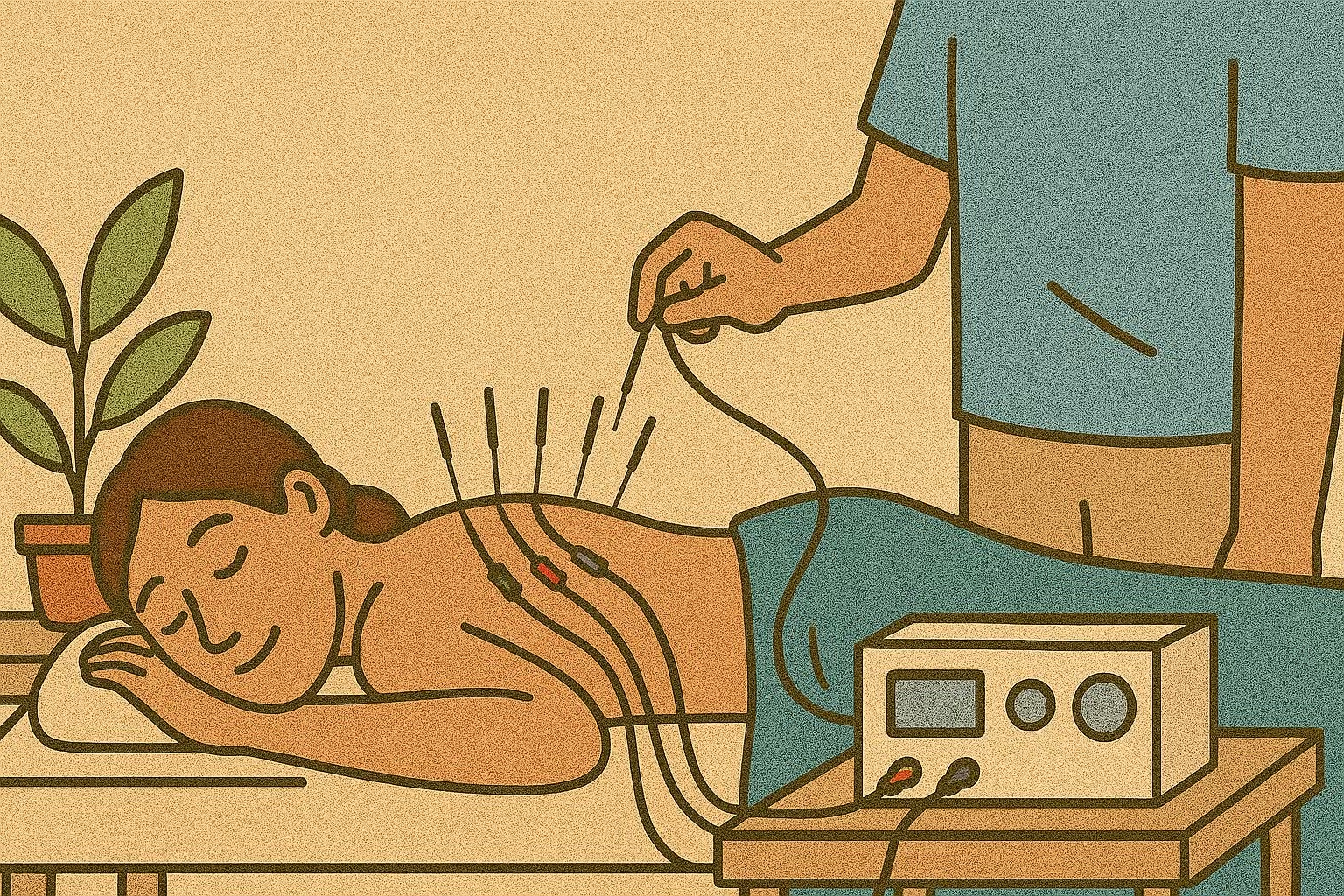
Traditional acupuncture uses hair-thin, sterile needles to stimulate specific points (acupoints) along energy pathways called meridians. In e-stim acupuncture, a small clip connects two needles to a handheld device that delivers a painless, low-frequency electrical pulse. The current makes the needles vibrate ever so slightly, amplifying the therapeutic effect. WebMD describes it as a modern twist that “enhances the benefits of traditional acupuncture,” especially for stubborn pain and muscle spasms.
How Does Electroacupuncture Work?
Researchers point to three overlapping mechanisms:
- Neuromodulation. Electrical stimulation activates A-delta and C-fibers, prompting your spinal cord and brain to release feel-good chemicals such as endorphins and enkephalins. A 2023 Pain study showed that electroacupuncture triggers β-endorphin release right at inflamed tissues, creating powerful local pain relief.
- Microcirculation Boost. Mild electricity dilates tiny blood vessels around the needle, improving oxygen delivery and flushing cellular debris.
- Connective-Tissue Remodeling. Gentle needle movement plus current reorganizes collagen fibers, which may explain the lasting gains in joint range of motion many patients report.
These effects align with the World Health Organization’s safety benchmarks for modern acupuncture practice.
What a Typical E-Stim Session Looks Like
| Step | What Happens | Why It Matters |
|---|---|---|
| Intake & exam | Your practitioner reviews health history, pain map, and goals. | Ensures the right points and frequencies are chosen. |
| Needle insertion | 10–20 sterile needles are placed at targeted acupoints. | Creates the conduit for gentle current. |
| Clip & adjust | Leads attach to pairs of needles; the machine begins pulsing. Patients usually feel a soft tapping or buzzing; not pain. | Electrical pulses heighten therapeutic signaling. |
| Relaxation period | You rest 15–30 minutes, often with calming music or heat. | Allows neurochemical release and tissue changes to take hold. |
| After-care tips | Hydration, light movement, and maybe a follow-up stretch routine. | Maintains results between visits. |
Most first-timers notice a wave of relaxation during treatment and lighter, looser movement within 24 hours.
Evidence-Based Benefits of E-Stim Acupuncture
- Sustained Pain Relief for Low-Back Pain: A 2024 systematic review found that adding electroacupuncture to standard care produced longer-lasting pain reduction for nonspecific low-back pain compared with manual acupuncture alone.
- Reduced Need for Opioids After Surgery: Hospitals are increasingly rolling out e-stim protocols in recovery wards to cut opioid prescriptions, shorten hospital stays, and speed functional milestones. Evidence cited by leading pain-medicine journals shows fewer side effects and comparable analgesia.
- Faster Healing of Nerve-Related Pain: Harvard-reviewed data on sciatica patients revealed significant leg-pain and mobility improvements after just ten electroacupuncture sessions, beating out placebo (sham needling).
- Enhanced Muscle Recovery for Athletes: By boosting local blood flow and calming over-excited nerves, e-stim acupuncture helps break the cycle of tightness and soreness that plagues endurance runners, lifters, and weekend warriors.
- Modulation of Inflammation: Animal and human studies alike report drops in pro-inflammatory cytokines after treatment, supporting its use in osteoarthritis, tendonitis, and autoimmune flare-ups.
Is E-Stim Acupuncture Safe?
Large safety reviews confirm that serious adverse events are rare and typically preventable with proper technique. In a 2020 systematic review of 37 case reports, most side effects such as brief dizziness or minor bruising resolved completely, while severe complications were exceedingly uncommon.
Who should avoid or modify treatment?
- People with pacemakers or implanted neurostimulators (the current could interfere).
- Pregnant individuals past the first trimester (certain points are contraindicated).
- Anyone with severe bleeding disorders or uncontrolled seizures.
Always share your full medical history so the practitioner can tailor frequency and needle placement safely.
Frequently Asked Questions
Q: Will I feel the electricity?
A: Most patients describe a gentle pulsing or tapping; the sensation is adjustable and should never be painful.
Q: How many sessions do I need?
A: Acute sprains may respond in 2–3 visits, while chronic back pain or neuropathy often improves over 6–10 sessions. Your practitioner will re-evaluate every few treatments.
Q: Is electroacupuncture covered by insurance?
A: Many U.S. PPO plans and some Medicare Advantage policies reimburse for acupuncture when billed under pain-related diagnoses. Call your insurer with CPT code 97813 (acupuncture with electrical stimulation) to check coverage.
Q: How does it differ from TENS?
A: Transcutaneous Electrical Nerve Stimulation (TENS) uses surface electrodes, whereas e-stim delivers current directly through needles into deeper tissues and specific meridians, allowing lower intensities and more precise targeting.
Choosing a Qualified Practitioner
- Look for Licensure. In most U.S. states, an L.Ac. or NCCAOM certification guarantees at least 3,000 hours of training.
- Ask About Experience. Chronic pain? Sports rehab? Fertility? Experience with your concern matters.
- Verify Clean-Needle Technique. Your provider should open single-use needles in front of you and dispose of them immediately after.
- Discuss Frequencies & Protocols. Typical therapeutic ranges run from 2 Hz (endorphin boost) to 100 Hz (anti-inflammatory). A savvy practitioner can explain why they choose one over the other.
Putting It All Together
E-stim acupuncture marries time-tested Eastern wisdom with 21st-century technology, offering a drug-free way to manage pain, accelerate recovery, and rebalance your nervous system. From chronic low-back pain to post-workout soreness, the evidence supporting its benefits keeps growing, and the risks remain low when you choose a licensed professional.
Ready to test those tiny pulses yourself? Search the NCCAOM practitioner directory or ask your primary-care doctor for an integrative-medicine referral. A short series of sessions could be the spark, quite literally, that reignites your path to pain-free living.
Disclaimer: This article is for educational purposes only and does not replace personalized medical advice. Always consult a qualified healthcare provider before starting new treatments.