
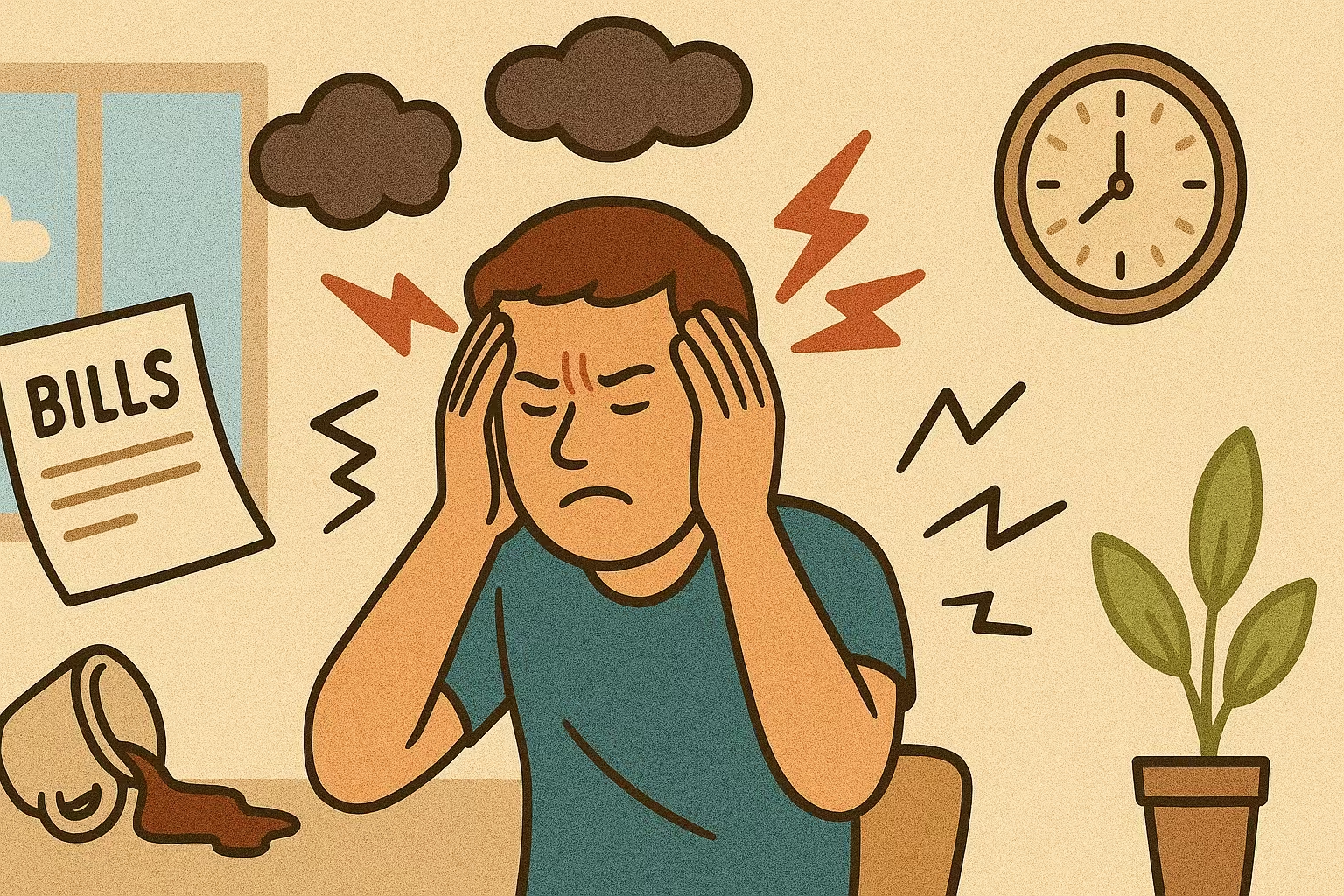
If you just typed “chiropractic care for tension headaches” into a search bar, chances are you’re sick of the dull, vise‑like ache that creeps up from your neck and squeezes across your forehead. The good news? Today’s evidence‑informed chiropractors offer gentle, drug‑free strategies that address the root of recurring tension‑type headaches (TTH) instead of masking the pain.
Below you’ll discover what causes TTH, why conventional painkillers often disappoint, and how specific chiropractic techniques—combined with posture coaching and stress‑busting exercises—can help you reclaim clear, pain‑free days.
What Exactly Is a Tension Headache?
Tension headaches are the world’s most common primary headache disorder. Hallmarks include:
- Bilateral, band‑like pressure (feels as if a tight strap circles the head).
- Mild to moderate pain that can last 30 minutes to several days.
- Muscle tenderness across the scalp, neck, and shoulders.
- No nausea or visual aura, unlike migraines.
Global prevalence hovers around 26 percent—yet many sufferers never seek care, chalking the discomfort up to stress or posture.
Why Your Neck & Posture Matter
Hours hunched over a laptop or steering wheel shorten the chest muscles, overload upper‑back joints, and fatigue cervical stabilizers. Over time, this “Upper‑Crossed Syndrome” sparks trigger points that refer pain into the head. Chronic stress only worsens the cycle by ramping up muscle tension and shallow breathing.
A 2025 systematic review found that cervical and thoracic spinal misalignments correlate strongly with tension‑type headache frequency, suggesting that restoring joint motion can ease head pain.
Why Pills Alone Fall Short
OTC analgesics such as acetaminophen or ibuprofen bring temporary relief, but they do nothing for postural strain, tight fascia, or weak neck stabilizers. Overuse can also lead to rebound headaches and GI side effects.
That’s why leading organizations like the [American Migraine Foundation] (link) and [Mayo Clinic] (link) recommend integrative approaches—stretching, ergonomic tweaks, and manual therapies—to prevent chronic TTH.
How Chiropractic Care Targets the Root Cause
1. Specific Spinal Manipulation
Modern chiropractors use precise, low‑force thrusts to restore normal joint mobility in the cervical and upper‑thoracic spine. A randomized clinical trial comparing spinal manipulation with the prescription drug amitriptyline showed similar reductions in headache frequency—and fewer side effects—for the hands‑on group.
2. Myofascial Release & Instrument‑Assisted Soft‑Tissue Therapy
Trigger‑point pressure, cross‑fiber friction, or tools like Graston® break up adhesions in the trapezius, suboccipitals, and temporalis muscle groups. A 2024 pilot study found that adding instrument‑assisted soft‑tissue mobilization to chiropractic adjustments delivered better long‑term pain and disability scores than manipulation alone.
3. Therapeutic Exercise
You’ll learn simple chin‑tucks, deep cervical flexor activations, and scapular re‑traction drills. Research shows that engaging these deep stabilizers reduces headache intensity and improves posture awareness within six weeks.
4. Posture & Ergonomic Coaching
Little fixes yield big wins: raising monitor height, setting phone reminders to roll your shoulders back, and adjusting car headrests keep cumulative strain off your neck.
5. Lifestyle & Stress Management
Breathing drills, micro‑breaks, hydration tracking, and sleep‑routine tweaks round out a holistic care plan aimed at lowering overall muscle tension and nervous‑system arousal.
What to Expect at Your Chiropractic Visits
| Stage | What Happens | Why It Helps Your Head |
|---|---|---|
| Comprehensive history | Crash course on your job habits, stressors, previous injuries, and headache diary | Reveals root triggers (e.g., workstation set‑up, teeth clenching) |
| Orthopedic/neurological tests | Cervical ROM, muscle palpation, cranial nerve checks | Confirms whether headaches stem from muscles, joints, or something else |
| Movement analysis | Posture photos, breathing patterns, scapular control | Identifies imbalances causing neck strain |
| First treatment | Gentle adjustments + soft‑tissue release | Lowers muscle tone, restores blood flow, and calms irritated nerves |
| Custom home plan | Stretches, ergonomic tweaks, & stress‑relief tips | Keeps progress going between visits |
Most patients notice lighter, less‑frequent headaches within 4‑8 visits, though chronic cases may require a longer plan.
FAQs
Q: Is chiropractic care safe if I have arthritis or disc issues?
A: Absolutely. Your chiropractor will tailor techniques—using low‑force instruments or mobilization instead of quick thrusts—based on imaging and exam findings.
Q: How many sessions will I need?
A: Mild, episodic TTH often improve in 6–10 visits over six weeks. Chronic daily headaches or combined migraine/TTH patterns may need 12 weeks of care plus ongoing wellness check‑ins.
Q: Can children or teens benefit?
A: Yes. With screen time soaring, forward‑head posture is common in younger patients. For young children and teens chiropractors use extra‑gentle, age‑appropriate methods.
Q: Will my insurance cover treatment?
A: Many plans include chiropractic benefits—especially when headaches are diagnosed as musculoskeletal. Our office verifies coverage and handles billing so you can focus on healing.
Evidence Corner
A Cochrane‑style review concluded that spinal manipulation delivers headache relief comparable to first‑line prophylactic medications—and without drug side effects. PubMed
A 2024 randomized trial reported greater reductions in pain intensity, frequency, and disability from cervical vs. thoracic thrust manipulation in cervicogenic‑type headaches, underscoring the importance of neck alignment. PLOS
An updated evidence‑based guideline for adults endorses multimodal chiropractic care—including manipulation, myofascial work, and exercise—for chronic tension‑type headaches. JMP Online
Take the Next Step Toward Clearer, Pain‑Free Days
Tension headaches may be common, but they’re not inevitable. By correcting spinal misalignments, loosening tight fascia, and empowering you with posture and stress‑management tools, chiropractic care treats the cause—not just the symptoms—of persistent head pain.
Disclaimer: This article is for educational purposes only and does not replace personalized medical advice. Always consult a qualified healthcare professional for diagnosis and treatment recommendations.