
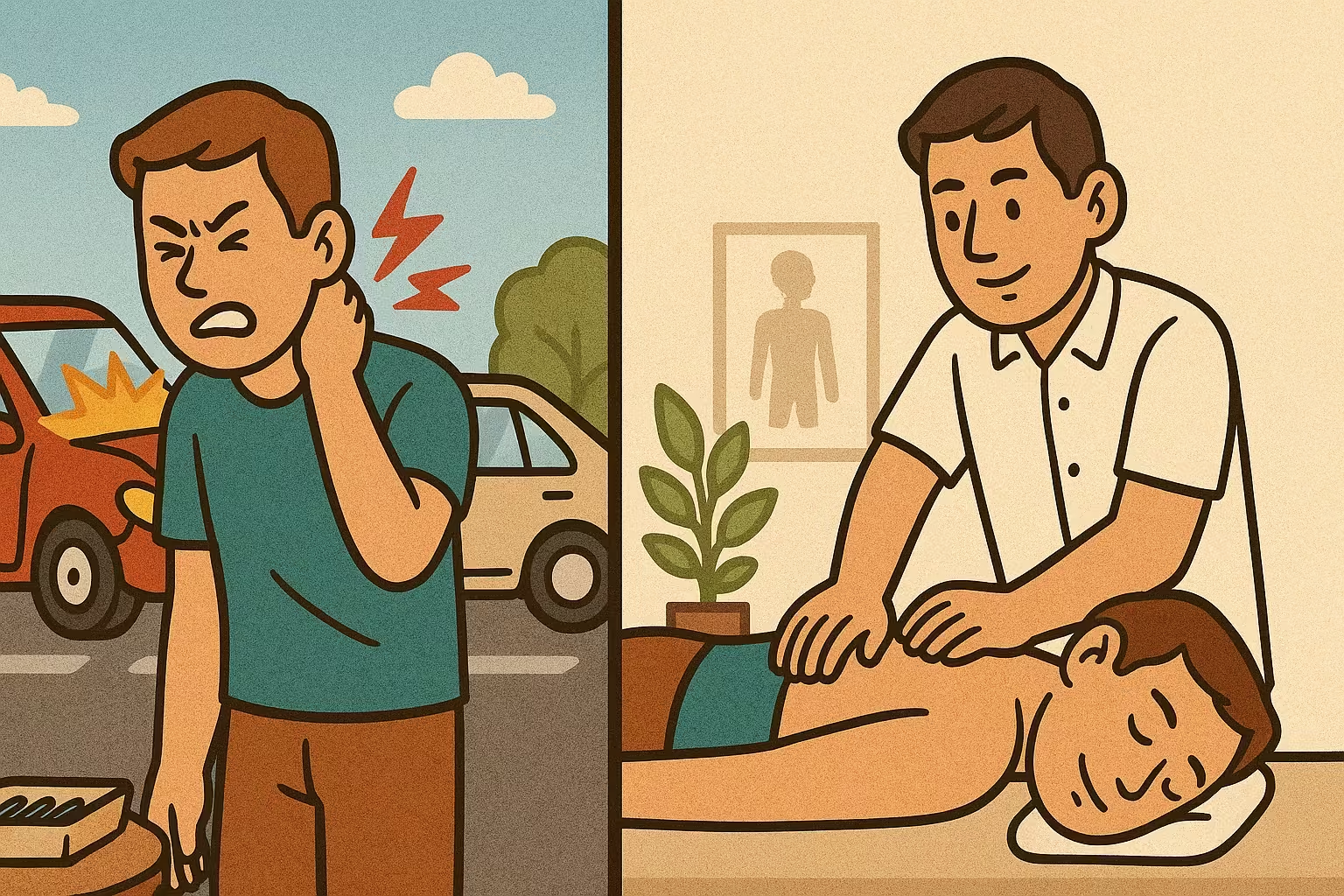
If you’re searching “Should I See a Chiropractor After A Car Accident?,” chances are you’re dealing with lingering pain, stiffness, or headaches after a car accident. The good news? Prompt, evidence‑based chiropractic care can help you bounce back, avoid long‑term complications, and get your life moving again, often without drugs or invasive procedures.
Below you’ll find everything you need to know: what happens to your body in a crash, why early diagnosis matters, which chiropractic techniques speed recovery, and how to choose the right local clinic.
Why Auto Accidents Cause So Much Pain
Even a low‑speed fender‑bender can subject your body to forces several times greater than gravity. In the blink of an eye, your spine, joints, and soft tissues are whipped forward and back, creating micro‑tears you may not feel until hours, or days, later.
- Whiplash‑Associated Disorders (WAD). Sudden flexion–extension forces overstretch muscles and ligaments in the neck, triggering pain, headaches, and dizziness.
- Lumbar sprains and disc injuries. Seat‑belt tension and body rotation can strain the low back or compress spinal discs.
- Shoulder, hip, and knee trauma. Hands on the wheel and feet on the brake transmit impact up the kinetic chain, creating hidden joint injuries.
Nationwide, these crash‑related injuries remain common despite safer cars. Early estimates show 39,345 U.S. traffic fatalities in 2024, down 3.8 percent from 2023 but still a public‑health concern, highlighting the need for timely post‑crash care.
Why “Wait and See” Is Risky
Delaying treatment can let small issues snowball into chronic pain:
| Within 72 Hours | After 2 Weeks | After 3 Months |
|---|---|---|
| Inflammation peaks; early exam can spot hidden sprains and mild concussions. | Scar tissue begins to form, reducing range of motion and prolonging recovery time. | Brain and nervous system may “memorize” pain signals, increasing risk of chronic headaches, neck pain, or back pain. |
Bottom line: If you’ve been in a collision, no matter how minor, book a musculoskeletal exam as soon as possible. Early documentation also strengthens any personal‑injury claim you may file.
How Chiropractors Diagnose Auto Injuries
A qualified auto‑injury chiropractor uses a three‑step protocol:
- Detailed history & crash analysis. Position in vehicle, direction of impact, head‑rest height, and seat‑belt usage all influence injury patterns.
- Orthopedic and neurological tests. Reflex checks, sensory mapping, range‑of‑motion measurements, and provocative maneuvers reveal joint or nerve damage.
- Imaging when needed. Digital X‑ray, MRI, or ultrasound help confirm fractures, herniations, or soft‑tissue tears.
Tip: Choose a clinic experienced in working with claim adjusters and personal‑injury attorneys. Proper charts and ICD‑10 coding keep your care on track, and your bills covered.
Evidence‑Backed Chiropractic Treatments for Auto Injuries
Spinal & Extremity Adjustments
Gentle, targeted thrusts restore normal joint alignment, reduce nerve irritation, and improve blood flow to damaged tissues. Research shows cervical adjustments can boost neck mobility and ease whiplash‑related pain.
Therapeutic Exercise
A landmark randomized controlled trial found that adding a structured exercise program to post‑whiplash advice reduced pain intensity and disability scores in just six weeks. PubMed Your chiropractor will prescribe isometric neck stretches, scapular stabilizers, and core‑strengthening moves you can do at home.
Myofascial Release & Instrument‑Assisted Techniques
Soft‑tissue mobilization breaks up adhesions, improves circulation, and speeds collagen remodeling—key to regaining pain‑free motion.
Cold Laser & Electric Stimulation
Low‑level laser therapy (LLLT) and interferential currents reduce inflammation and stimulate tissue repair without pharmaceuticals.
Postural & Ergonomic Coaching
Correcting seat height, monitor position, and daily movement patterns prevents reinjury and supports long‑term spinal health.
Finding the Best Chiropractic Care After a Car Accident
- Check credentials. Look for doctors of chiropractic (DCs) with post‑graduate training in whiplash, spinal trauma, or sports injury rehabilitation.
- Ask about billing support. A clinic that handles third‑party liens, Med‑Pay, PIP, or attorney letters of protection streamlines your financial stress.
- Read real‑patient reviews. Testimonials highlighting clear communication, flexible scheduling, and measurable pain relief are gold.
- Tour the facility—virtually or in person. Modern rehab equipment and private treatment rooms signal a patient‑centered approach.
- Verify collaboration. The best chiropractors maintain referral networks with orthopedic surgeons, neurologists, and physical therapists for comprehensive care.
If you’re in Elk Grove Village, IL, we’d love to help you! Contact us today!
Check out our other blog to find a list of all other nearby chiropractors who may be able to help too!
What to Expect During Your First Visit
| Step | What Happens | Why It Matters |
|---|---|---|
| Welcome & paperwork | Personal‑injury paperwork, insurance verification, HIPAA forms | Ensures seamless claims processing |
| Comprehensive exam | Posture photos, neurological tests, orthopedic maneuvers | Identifies root causes of pain |
| Report of findings | Doctor explains imaging or test results in plain English | Empowers you to make informed decisions |
| First treatment | Gentle adjustments, soft‑tissue therapy, or pain‑relief modalities | Reduces inflammation and kick‑starts healing |
| Home‑care plan | Ice/heat instructions, exercises, ergonomic tips | Keeps recovery moving between visits |
FAQs About Chiropractic Auto‑Injury Care
Q: How many visits will I need?
A: Every case is unique, but acute whiplash often improves within 6‑12 visits over 4‑6 weeks. More severe sprains, disc injuries, or delayed cases may need a longer plan.
Q: Is chiropractic safe after a crash?
A: Yes. Modern chiropractors tailor force, table options, and techniques to each patient’s comfort level and diagnostic findings. They will never adjust an unstable fracture or severe disc herniation.
Q: Will treatment hurt?
A: Most patients feel immediate relief. Some experience mild soreness—similar to post‑workout muscle fatigue—that resolves within 24 hours.
Q: Do I need a referral?
A: In most states, chiropractic is direct‑access, meaning you can schedule without a physician’s script. Check your local regulations or insurance policy.
Your Road to Recovery Starts Today
Car accidents are stressful, but pain doesn’t have to define your future. With prompt chiropractic evaluation, personalized rehab, and patient education, you can:
- Reduce inflammation and speed tissue healing
- Restore full range of motion and prevent arthritis
- Lower reliance on opioids or other pain medications
- Get back to driving, working, and enjoying life—faster
Disclaimer: This blog is for informational purposes only and does not replace professional medical advice. Always consult a qualified healthcare provider for personal recommendations.