
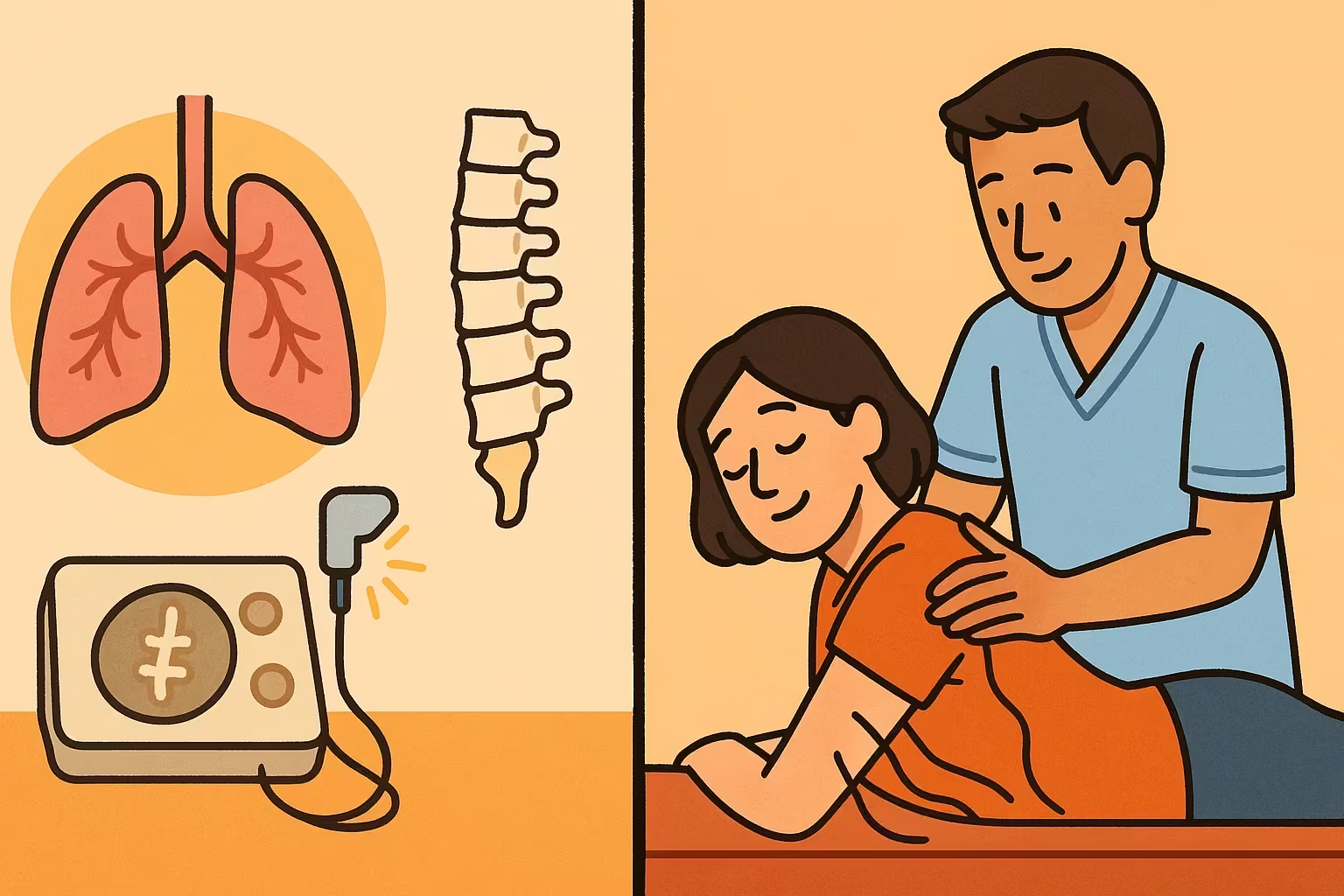
If you or your child struggle with asthma, you’re all too familiar with the tightness in your chest, wheezing, and that frustrating feeling of never quite getting a full breath. Inhalers and steroids can provide much-needed relief, but many people are now looking for natural, drug-free ways to manage asthma symptoms. One such approach gaining attention is chiropractic care.
But what does the spine have to do with your lungs? As it turns out—possibly quite a bit. In this article, we’ll explore the connection between chiropractic and asthma, share recent studies and case reports, and explain how gentle spinal adjustments may support easier breathing.
What Is Asthma?
Asthma is a chronic inflammatory disease of the airways that causes symptoms like:
- Shortness of breath
- Chest tightness
- Wheezing
- Coughing, especially at night or early morning
It’s triggered by allergens, cold air, exercise, or even stress—and while medications help reduce symptoms, they don’t address underlying nervous system imbalances that may be contributing to the condition.
According to the Centers for Disease Control and Prevention (CDC), about 1 in 13 Americans have asthma, and it’s one of the most common chronic conditions in children.
How the Nervous System Affects the Respiratory System
Your spine houses the spinal cord, which is part of the central nervous system (CNS). The CNS controls and coordinates all functions of the body—including your lungs and diaphragm.
When spinal vertebrae—especially in the thoracic spine (mid-back)—become misaligned or restricted, they can interfere with normal nerve signaling to the lungs and respiratory muscles. Chiropractors call this phenomenon subluxation.
By correcting these subluxations through specific spinal adjustments, chiropractors aim to reduce nervous system stress and improve respiratory function.
What the Research Says About Chiropractic Care and Asthma
While more large-scale studies are still needed, several clinical case studies and small trials have shown positive results for chiropractic and asthma care.
- A 2010 study in the Journal of Pediatric, Maternal & Family Health followed an 8-year-old boy with severe asthma who showed significant improvements in symptoms and reduced inhaler use after a series of chiropractic adjustments.
- Another case published in the Journal of Vertebral Subluxation Research detailed an adult patient with long-term asthma who experienced less frequent attacks and improved peak airflow after 90 days of chiropractic care.
- The National Center for Complementary and Integrative Health (NCCIH) acknowledges that chiropractic care may improve musculoskeletal function and overall wellness in people with chronic conditions, though more research is encouraged.
How Chiropractors Support Asthma Patients
Chiropractic care is not a cure for asthma—but it may reduce the severity and frequency of flare-ups by improving spinal alignment and nervous system function. Here’s how:
Thoracic Spine Adjustments
The nerves that supply the lungs originate from the T1–T12 vertebrae. Chiropractors carefully examine and adjust these areas to relieve tension, restore motion, and support normal lung function.
Posture Correction
Poor posture—especially forward head posture and rounded shoulders—can collapse the chest cavity and reduce lung capacity. Chiropractic adjustments and exercises can help open the chest and improve breathing mechanics.
Stress Reduction
Asthma can be triggered or worsened by emotional stress, which activates the sympathetic nervous system (“fight or flight”). Chiropractic care has been shown to increase parasympathetic (calming) activity, promoting relaxation and easier breathing.
What to Expect During Chiropractic Care for Asthma
If you’re new to chiropractic care, here’s what a typical visit may include:
| Step | What Happens | Why It Matters |
| Consultation & history | Discuss asthma triggers, medication use, and lifestyle | Helps tailor care to your specific needs |
| Spinal exam | Assess posture, spinal motion, and nerve tension | Identifies areas of restriction or subluxation |
| Adjustments | Gentle, specific spinal manipulations | Restores nervous system balance and thoracic mobility |
| Breathing or mobility exercises | Guided techniques for posture and lung expansion | Supports results between visits |
| Lifestyle tips | Hydration, diet, stress management | Encourages long-term wellness |
Tips for Supporting Lung Health Naturally
Chiropractic care works best as part of a holistic lifestyle. Try incorporating the following tips to support your respiratory system:
- Stay hydrated – Water helps thin mucus and makes it easier to breathe.
- Practice diaphragmatic breathing – Deep belly breathing expands the lungs and improves oxygenation.
- Keep allergens in check – Use air purifiers and clean vents regularly.
- Get regular movement – Low-impact exercise can increase lung capacity over time.
- Consider complementary therapies – Acupuncture, cupping, or red-light therapy may further support inflammation reduction.
Frequently Asked Questions About Chiropractic and Asthma
Q: Can chiropractic replace my inhaler or asthma medication?
A: No. Chiropractic is a complementary therapy—not a substitute for prescribed asthma medications. Always follow your doctor’s advice and work with a team approach.
Q: Is chiropractic safe for children with asthma?
A: Yes. Pediatric chiropractic adjustments are extremely gentle and tailored to the child’s age and condition. Many parents report improved breathing and fewer attacks in kids under care.
Q: How many visits will I need?
A: Every case is different. Some patients see results in a few visits; others benefit from ongoing care, especially if they’ve had asthma for many years.
Q: Does insurance cover this?
A: Many insurance plans include chiropractic care. Check your policy or ask your provider for help verifying benefits.
Final Thoughts: Breathe Better, Naturally
Chiropractic care offers a promising, drug-free approach to asthma support, especially when combined with healthy lifestyle habits and traditional medical care. By improving nervous system function, spinal alignment, and lung mechanics, many asthma sufferers find they can breathe easier, feel more energized, and experience fewer flare-ups.
Disclaimer: This article is for informational purposes only and does not replace personalized medical advice. Always consult with your physician before modifying any treatment plan.